
IIndia has long been recognized as an agricultural powerhouse, supplying a wide variety of high-quality products to markets across the globe. With diverse climatic conditions, fertile soil, and a strong farming tradition, the country produces a rich range of agricultural commodities such as fruits, vegetables, spices, grains, and processed food products. Over the years, agriculture product export from India has grown significantly, making the nation one of the leading exporters in the global market.
In today’s competitive world, international buyers seek not only quality but also consistency, safety, and reliability. Indian exporters have stepped up to meet these expectations by adopting modern farming techniques, advanced processing methods, and strict quality control standards. This blog explores the complete landscape of agriculture exports from India, including key products, benefits, processes, and future opportunities.



Why India is a Global Leader in Agriculture Exports
India’s position as a top exporter of agricultural products is backed by several strong advantages:
1. Diverse Agro-Climatic Conditions
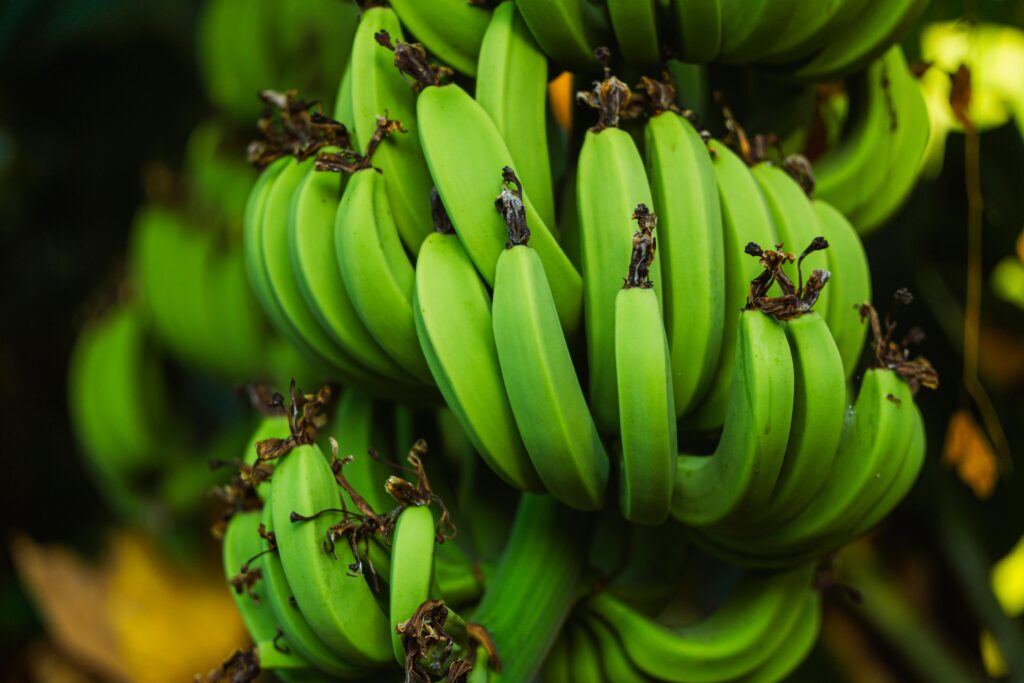
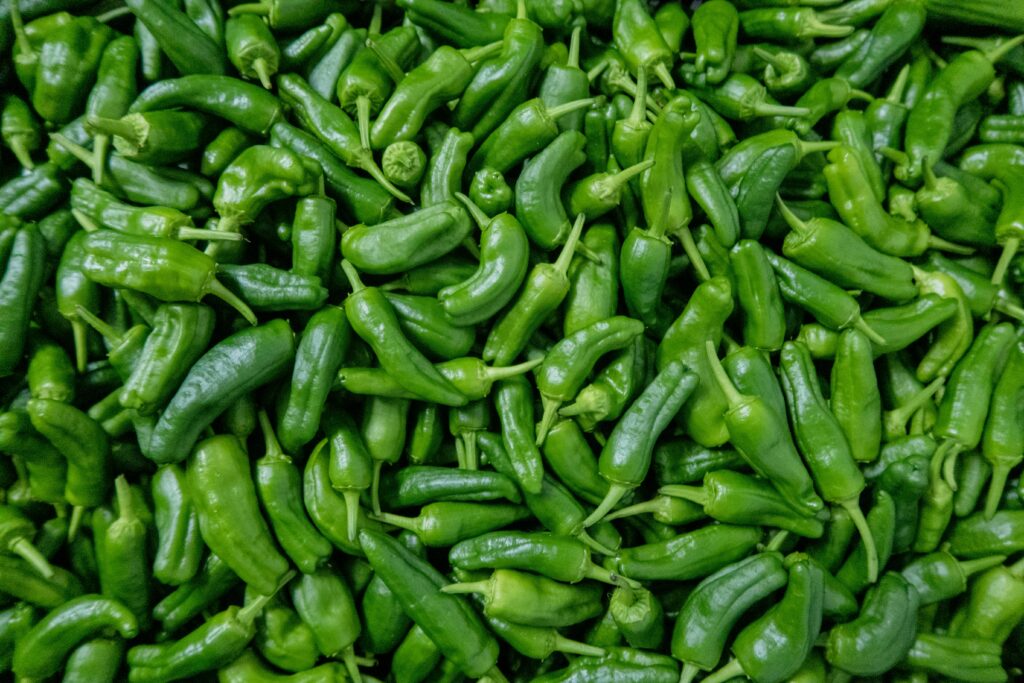
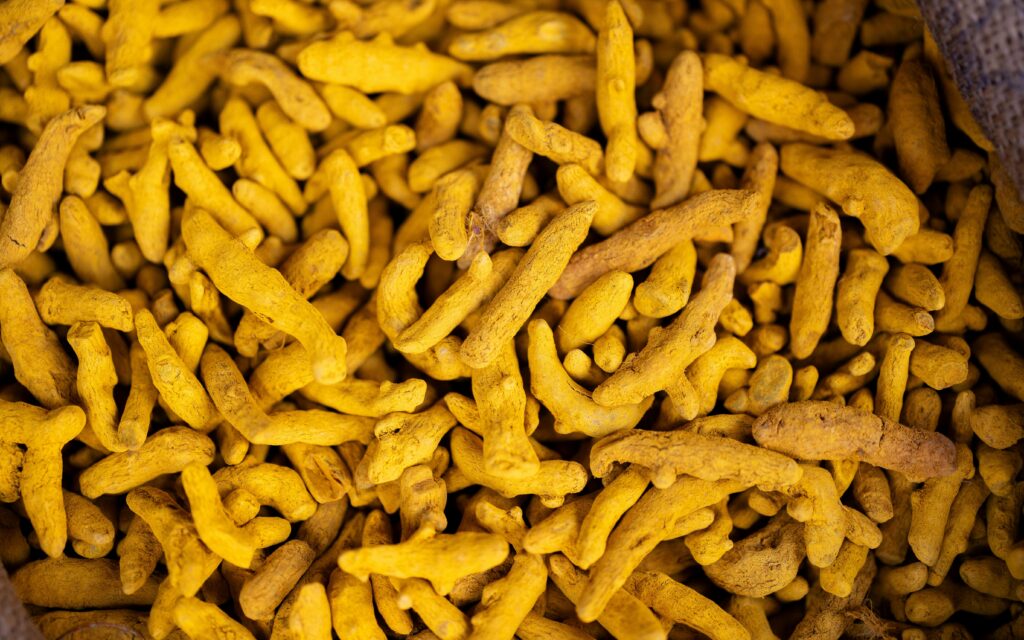
India’s geography allows the cultivation of a wide variety of crops throughout the year. From tropical fruits like bananas and mangoes to spices like turmeric and chilli, the country offers unmatched diversity.
2. Large Production Capacity
India is one of the largest producers of agricultural commodities globally. This ensures a consistent supply of products in bulk quantities, which is essential for international trade.
3. Cost-Effective Production
Compared to many countries, India offers competitive pricing without compromising on quality. This makes Indian products highly attractive in global markets.
4. Skilled Farming Community
Indian farmers possess generations of knowledge and expertise, combined with modern agricultural practices to ensure better yield and quality.
Top Agricultural Products Exported from India
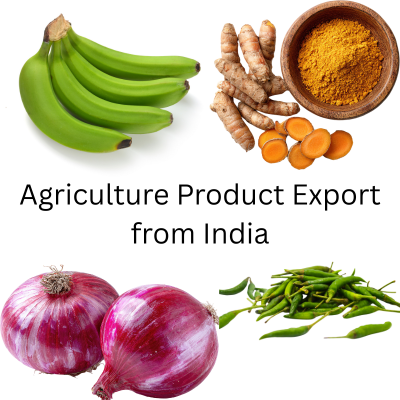
India exports a wide range of agricultural products. Some of the most in-demand categories include:
1. Fresh Fruits and Vegetables
India is a major exporter of fruits like bananas, mangoes, pomegranates, and vegetables such as onions and green chillies. These products are known for their freshness, taste, and nutritional value.
2. Spices
Indian spices are famous worldwide for their aroma, flavor, and medicinal properties. Turmeric, red chilli, cumin, and coriander are among the top exported spices.
3. Grains and Cereals
Rice, wheat, and pulses are widely exported to countries across Asia, Africa, and the Middle East. Indian basmati rice, in particular, has a strong global demand.
4. Processed Agricultural Products
Products like banana powder, jaggery, and spice powders are gaining popularity due to their convenience and longer shelf life.
5. Oilseeds and Edible Oils
India also exports oilseeds like sesame seeds and groundnuts, which are widely used in food processing industries.
Benefits of Importing Agricultural Products from India
International buyers prefer Indian agricultural products for several reasons:
High Quality Standards
Indian exporters follow strict quality checks, ensuring products meet international standards.
Natural and Organic Options
Many products are grown using natural farming techniques, offering healthier and chemical-free options.
Reliable Supply Chain
With well-established logistics and export infrastructure, timely delivery is ensured.
Custom Packaging Solutions
Exporters provide packaging tailored to international requirements, maintaining freshness and safety during transit.
The Process of Exporting Agricultural Products from India
Exporting agricultural products involves several steps to ensure compliance and quality:
1. Sourcing and Procurement
Products are sourced directly from farmers or trusted suppliers to ensure authenticity and freshness.
2. Quality Inspection
Each batch undergoes strict quality checks to meet export standards.
3. Processing and Packaging
Products are cleaned, sorted, and packed using hygienic methods to maintain quality.
4. Documentation
Proper export documentation is prepared, including invoices, certificates, and shipping details.
5. Logistics and Shipping
Efficient transportation and shipping ensure timely delivery to international destinations.
Quality Standards and Certifications
To succeed in global markets, Indian exporters comply with various international certifications such as:
- ISO Certification
- HACCP (Hazard Analysis and Critical Control Points)
- FSSAI Compliance
- APEDA Registration
These certifications ensure that products meet safety, hygiene, and quality standards required by global buyers.
Challenges in Agriculture Export
While India has strong export potential, there are certain challenges:
1. Supply Chain Issues
Maintaining consistent quality and timely delivery can sometimes be challenging due to logistics.
2. Climate Dependency
Agriculture is highly dependent on weather conditions, which can affect production.
3. Global Competition
India faces competition from other agricultural exporting countries.
4. Regulatory Requirements
Different countries have different import regulations, which exporters must carefully follow.
Opportunities in Global Markets
Despite challenges, the future of agriculture export from India is very promising:
Growing Demand for Organic Products
Consumers worldwide are shifting towards organic and natural food products.
Expanding International Markets
New markets in Europe, Asia, and Africa are opening up for Indian exporters.
Government Support
The Indian government provides various schemes and incentives to promote exports.
Technological Advancements
Modern technology is improving farming, storage, and transportation efficiency.
How We Ensure Excellence in Agriculture Exports
As a trusted exporter, we focus on delivering the best quality products to our global clients. Our approach includes:
- Direct sourcing from reliable farmers
- Strict quality control at every stage
- Hygienic processing and packaging
- Timely and safe delivery
- Customer-focused service
Our commitment to quality, transparency, and reliability has helped us build strong relationships with clients worldwide.
Sustainable and Ethical Practices
Sustainability is becoming increasingly important in agriculture exports. We are committed to:
- Supporting local farmers
- Promoting eco-friendly farming
- Reducing waste and improving efficiency
- Ensuring fair trade practices
By adopting sustainable methods, we not only protect the environment but also ensure long-term growth and trust.
Future of Agriculture Export from India
The future of Indian agriculture exports looks bright, driven by innovation, quality improvements, and global demand. With increasing focus on value-added products and branding, Indian exporters are set to achieve even greater success in international markets.
Digital platforms, improved logistics, and government initiatives will further boost export growth. Companies that prioritize quality, customer satisfaction, and sustainability will lead the industry in the coming years.
Conclusion
Agriculture product export from India plays a vital role in the global food supply chain. With its rich agricultural heritage, diverse product range, and commitment to quality, India continues to strengthen its position as a leading exporter.
For international buyers, partnering with a reliable Indian exporter ensures access to premium products, competitive pricing, and dependable service. As the demand for high-quality agricultural products continues to grow, India remains a trusted source for global markets.
If you are looking for a dependable partner in agriculture exports, we are here to deliver excellence, consistency, and value in every shipment.
FAQs
1. What are the major agricultural exports from India?
India exports fruits, vegetables, spices, grains, and processed food products.
2. Why are Indian agricultural products popular globally?
Due to their quality, affordability, and natural cultivation methods.
3. How is product quality maintained during export?
Through strict quality checks, proper packaging, and advanced logistics.
4. Which countries import agricultural products from India?
Countries in the Middle East, Europe, Asia, and Africa are major importers.
Get in Touch
If you are looking for high-quality agricultural products from India, connect with us today. We ensure premium quality, competitive pricing, and reliable export services tailored to your business needs.
Address: Nhavi H No 16, Main Road, Tal-Yaval, Dist-Jalgaon, Maharashtra, India-425503.
Phone: +91 7403426666
Email: jayglobalexport@gmail.com